Tenant Retention Strategies for Long-Term Real Estate Value

October 27, 2025

Share


-2.png)
Filling space makes headlines, but keeping tenants builds real wealth. In commercial real estate (CRE), lasting success is built on stable occupancy, steady income and long-term relationships that retain value amid market fluctuations. As interest rates remain high and expenses continue to rise, properties anchored by reliable tenants consistently outperform those with tenants on short-term leases.
The cost of losing a tenant goes far beyond a few months of missed rent. Research from CBRE shows that a single vacancy can cut a property’s value by as much as 15%, disrupting cash flow and weakening overall returns. That’s why experienced investors don’t treat retention as mere maintenance; they view it as a strategic approach. By staying ahead of renewals, maintaining clear communication and creating spaces that support tenants’ long-term success, they turn occupancy into resilience and consistency into growth.
That’s where the real opportunity lies, understanding how tenant retention, when managed with intent and precision, becomes one of the most reliable ways to build lasting value in commercial real estate.
Why Tenant Retention Builds Long-Term Real Estate Value?
Tenant retention isn’t just about keeping tenants in place; it’s about protecting the financial foundation that drives long-term performance. Each renewal does more than fill space; it creates measurable, compounding value across a portfolio.
Here’s why tenant retention matters for investors focused on sustainable growth:
- Preserves cash flow: Renewals minimize income disruption and maintain consistent net operating income (NOI).
- Reduces vacancy loss: Lower turnover means less downtime, fewer leasing commissions and reduced capital outlay for build-outs or incentives.
- Improves portfolio predictability: Stable tenancy enables investors to forecast returns more accurately and make informed strategic reinvestment decisions.
- Enhances asset valuation: Consistent occupancy supports stronger appraisals and more stable cap rates.
- Builds resilience across cycles: Reliable tenants help properties perform through interest rate shifts and economic fluctuations.
These benefits extend across all commercial property types, including medical offices, industrial buildings and retail centers. Properties supported by dependable tenants consistently outperform because income remains stable even when the market moves. That kind of resilience, built through resilient investment strategies, doesn’t happen by chance. It’s the result of proactive management, clear communication and a long-term focus on relationships that compound value year after year.
Understanding Tenant Behavior to Strengthen Retention
Successful tenant retention starts with understanding why tenants stay. Cost matters, but it’s rarely the deciding factor. In most cases, renewals come down to how secure, supported and respected tenants feel in the spaces they occupy. When property owners build trust, respond promptly and communicate effectively, they establish the kind of partnership that tenants want to maintain in the long term.
Here are a few proven ways to align property management with tenant behavior:
- Build genuine trust: Deliver on promises consistently, whether it’s maintenance, communication or lease commitments. Reliability is the foundation of long-term loyalty.
- Create comfort and connection: Tenants renew when their space supports their way of operating. Thoughtful design, accessibility and responsiveness matter more than upgrades alone.
- Encourage feedback early: Regular check-ins help owners identify and resolve pain points before they become reasons to leave.
- Be transparent in your decisions: Clear communication about adjustments, timelines or property plans fosters confidence rather than friction.
Innovative Retention Strategies for Portfolio Growth
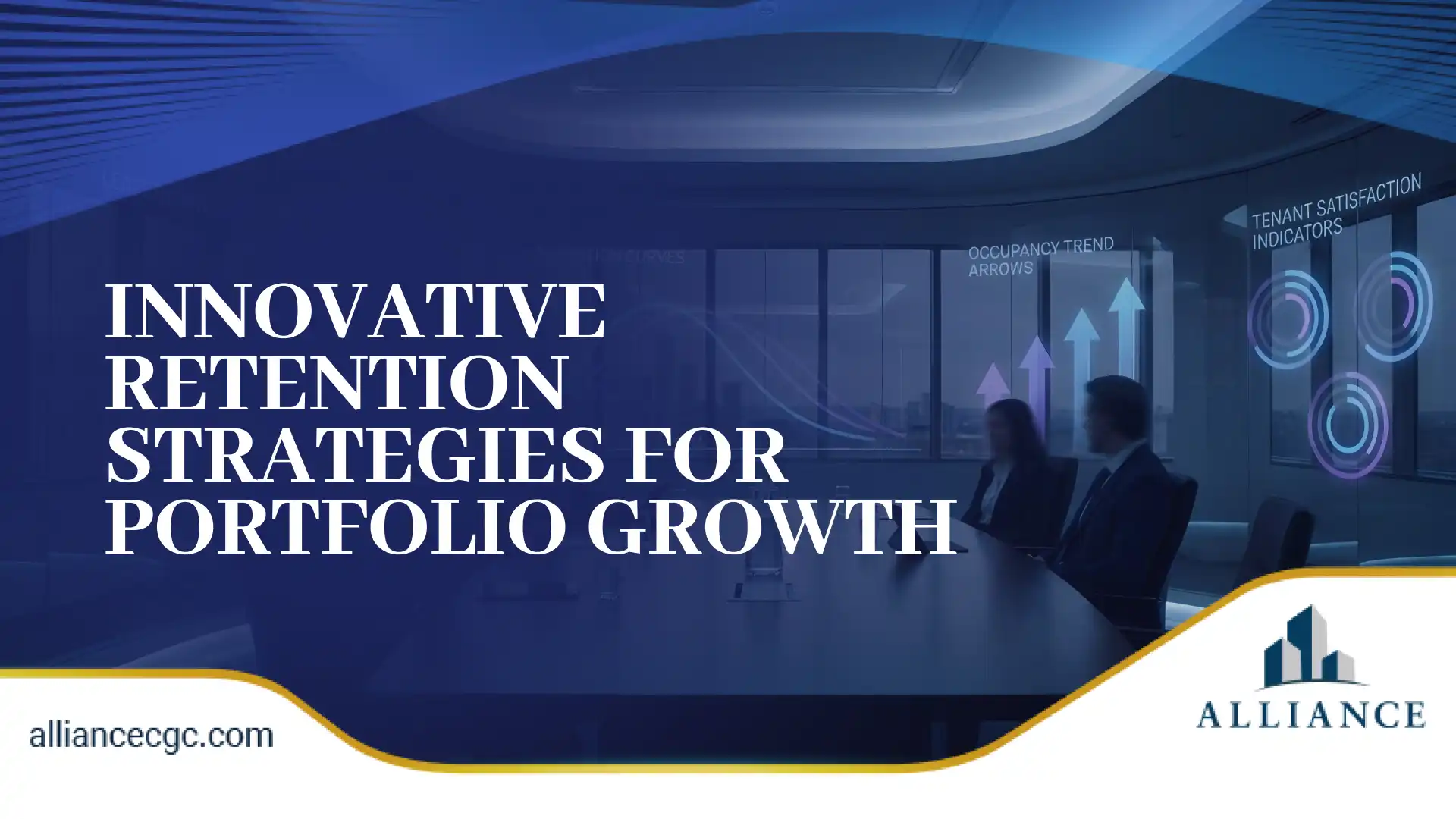
In today’s competitive real estate market, retaining long-term tenants requires more than just good management; it takes insight and precision. Investors who combine data-driven analysis with proactive engagement can anticipate tenant needs before turnover occurs, turning stability into a measurable growth advantage.
By tracking tenant satisfaction, lease expirations and renewal patterns, owners can identify risks early and respond strategically to address them. This data-backed approach protects income, minimizes vacancy loss and strengthens property performance over time.
To put those insights into action, effective retention strategies include:
- Offer flexible renewals: Adapt lease terms to meet tenant needs, making staying the logical choice.
- Maintain responsiveness: Quick maintenance and clear communication build long-term trust.
- Enhance the tenant experience: Thoughtful upgrades, such as lighting, shared amenities or comfort features, increase satisfaction and renewal rates.
- Engage proactively: Regular check-ins uncover minor issues before they affect retention.
When analytics inform action, portfolios become more resilient and predictable. As shown in data analytics in real estate investing, aligning insight with execution transforms retention from a management task into a strategic performance driver, one that compounds value across every market cycle.
Leadership and Culture That Drive Tenant Retention
Long-term tenant retention starts with leadership that sets the right tone from the top. When teams operate with clarity, accountability and genuine respect, they build trust that strengthens every relationship, from tenants to investors. Consistent communication, follow-through and fairness make tenants feel supported, not replaceable, which is what keeps them renewing year after year.
A strong culture is evident in small moments, such as returning calls promptly, handling issues transparently and recognizing the individuals behind each lease. These behaviors shape reputation and create the kind of reliability that tenants value most.
Over time, this trust compounds into measurable results, fewer vacancies, steadier income and higher property performance. Retention becomes more than a management metric; it becomes a reflection of leadership. The most resilient portfolios grow from this foundation of integrity and ethical investment practices that prioritize both people and performance.
Build Stability. Create Value. Invest for Decades.
Long-term success in commercial real estate isn’t built on timing; it’s built on discipline. The most consistent portfolios grow through clarity, consistency and a commitment to fundamentals that perform across every market cycle. Tenant retention is one of those fundamentals, a direct reflection of strong management, trusted relationships and investor foresight.
That philosophy has guided the growth of a $500 million commercial real estate portfolio, delivering sustained performance through changing markets. Real wealth isn’t made by chasing opportunities; it’s created by building partnerships, managing with purpose and investing with patience.
Invest with Alliance CGC and elevate your investment strategy with confidence.
Frequently Asked Questions (FAQs)
How to get into commercial real estate investing?
Getting into commercial real estate investing begins with understanding long-term value creation, rather than focusing on quick transactions. Focus on acquiring income-producing assets with reliable tenants and strong lease structures. Prioritize markets where tenant satisfaction and retention are high; they create predictable cash flow and appreciation. Partnering with experienced operators who apply proven property management strategies can help minimize risk and accelerate portfolio growth.
How can I optimize my investment portfolio for long-term growth?
Optimizing your investment portfolio growth means striking a balance between performance and stability. In commercial real estate, this starts with retaining quality tenants. Every renewal reduces costs, protects cash flow and compounds value over time. Use data analytics to monitor property performance and tenant behavior, refining your tenant retention strategies accordingly. Long-term growth stems from disciplined management and assets designed to perform consistently across market cycles, rather than relying on short-term market timing.
What is good growth for an investment portfolio?
Good investment portfolio growth in commercial real estate is steady, not speculative. Sustainable returns often stem from consistent net operating income (NOI), strong occupancy rates and low turnover, all of which are driven by effective property management strategies and tenant satisfaction. Investors who focus on relationship-based retention rather than aggressive expansion often achieve higher risk-adjusted returns and greater portfolio resilience. The goal is reliable compounding, not volatility.
What strategies do real estate investment trusts (REITs) use to manage their property portfolios?
REITs manage their portfolios through a mix of data-driven oversight, proactive maintenance and strong tenant retention strategies. They focus on operational efficiency and tenant satisfaction to maintain occupancy and optimize long-term value. Many use technology to track leasing trends, renewal cycles and market shifts, allowing for early action on potential risks. Their success is built on strategic asset allocation and consistent property management strategies that maintain stable income and keep investors confident.


